Changemakers Unplugged Vol. 4 brought together international founders, ecosystem supporters, and community members for an evening of honest, discussion-driven exchange about what it really takes to build a business in Japan as a foreign founder, and how we might improve the current ecosystem. Rather than a panel or pitch event, we held a World Café format – structured small-group conversations with rotating participants – designed to surface lived experience rather than polished talking points.
Lightning Talks
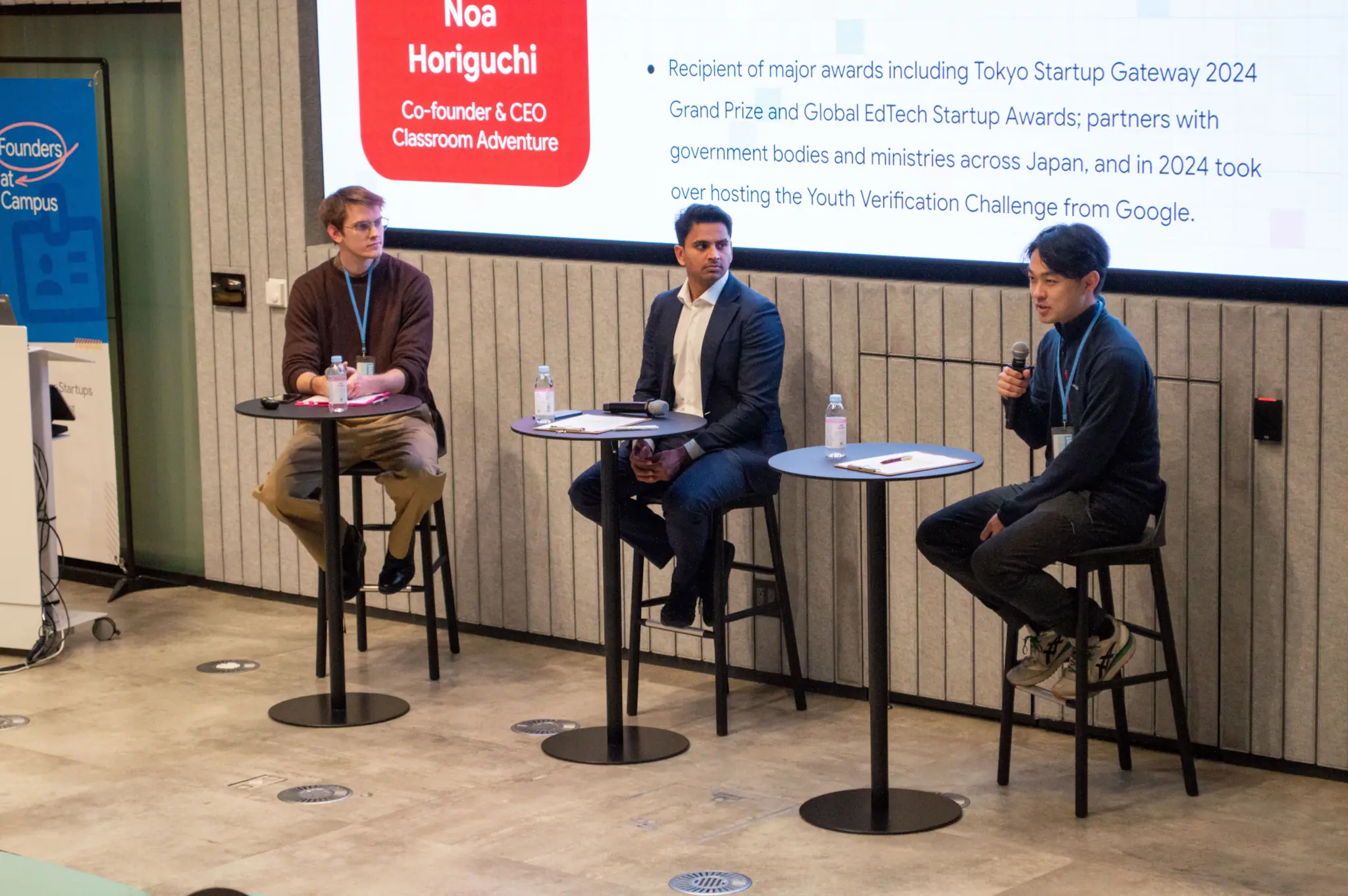
Two lightning talks opened the evening and set the tone for everything that followed. Jaspier Jia (founder of Mixbash & member at Impact HUB Tokyo) spoke about the realities of being an early-stage founder in Japan: navigating uncertainty, operational friction, and the gap between expectations and what actually happens on the ground. Younes Hairej (Founder and CEO, Aokumo Inc.) brought a contrasting lens, drawing on many years of experience living and working in Japan to highlight the challenges that don’t go away with time: structural barriers, cultural dynamics, and the patience required to build something lasting here. Together, the two talks gave participants useful shared reference points heading into the discussions.
World Café Discussions
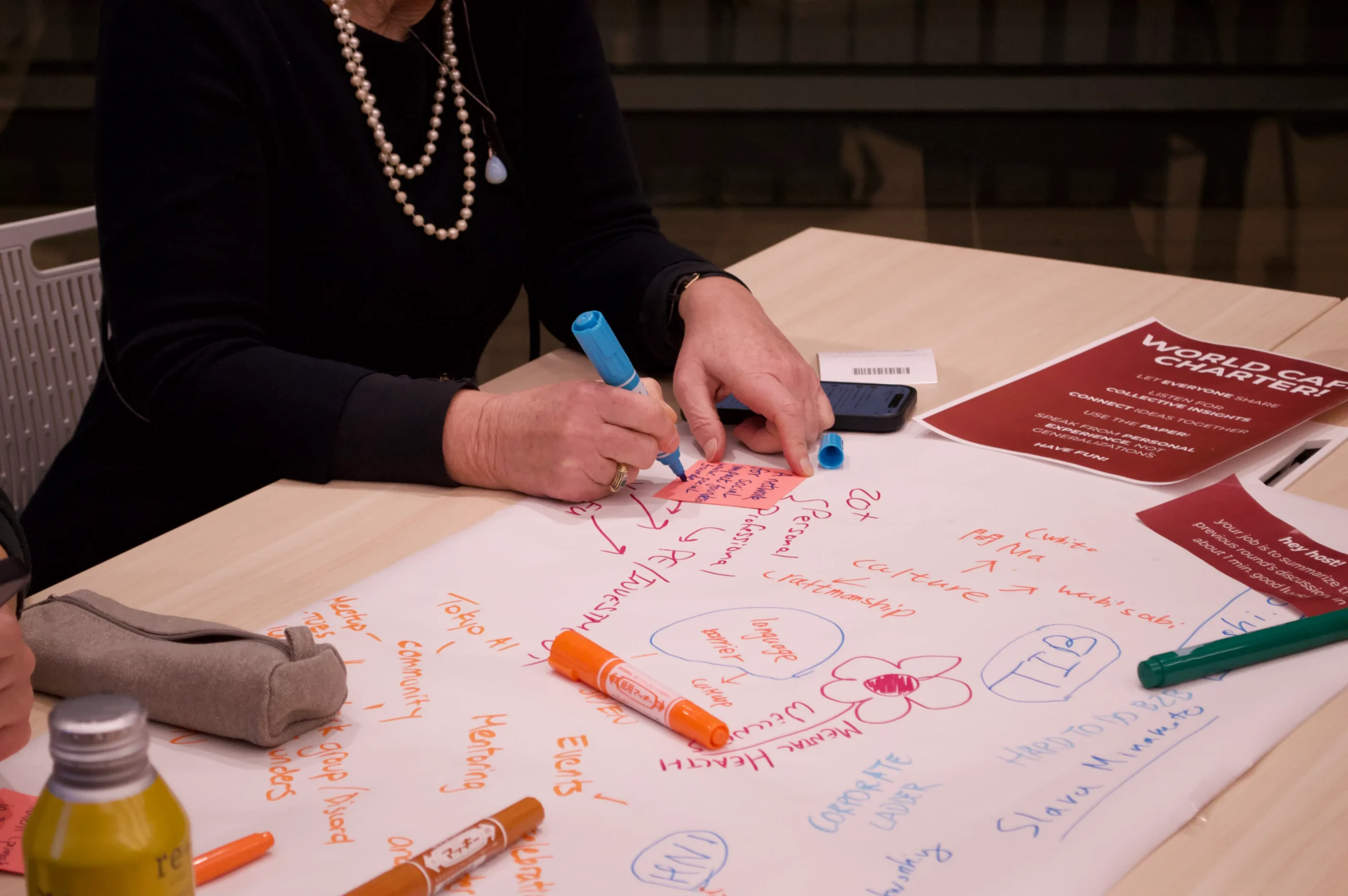
Participants split into small groups of four and rotated tables between rounds, with one table host staying to carry forward each conversation thread, as a way to create dynamic discussions and weave together the collective intelligence of the room. Three discussion questions guided the rounds: one personal, focused on individual motivations and challenges, one broader, looking at ecosystem-level barriers, and one oriented towards action.
Harvest & Networking
The evening closed with an “asks and offers” harvest – each participant wrote down one thing they can contribute to the ecosystem and one piece of support they need. Pinning these to the wall made the room’s collective resources and gaps immediately visible, leading into a fruitful networking session where people could find each other based on real needs and real offerings.