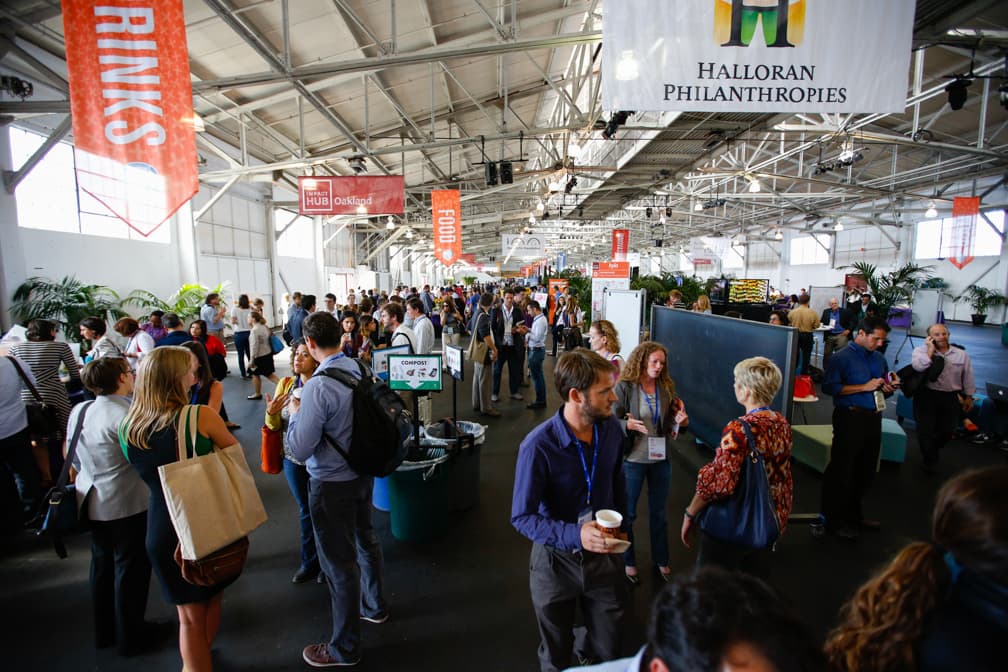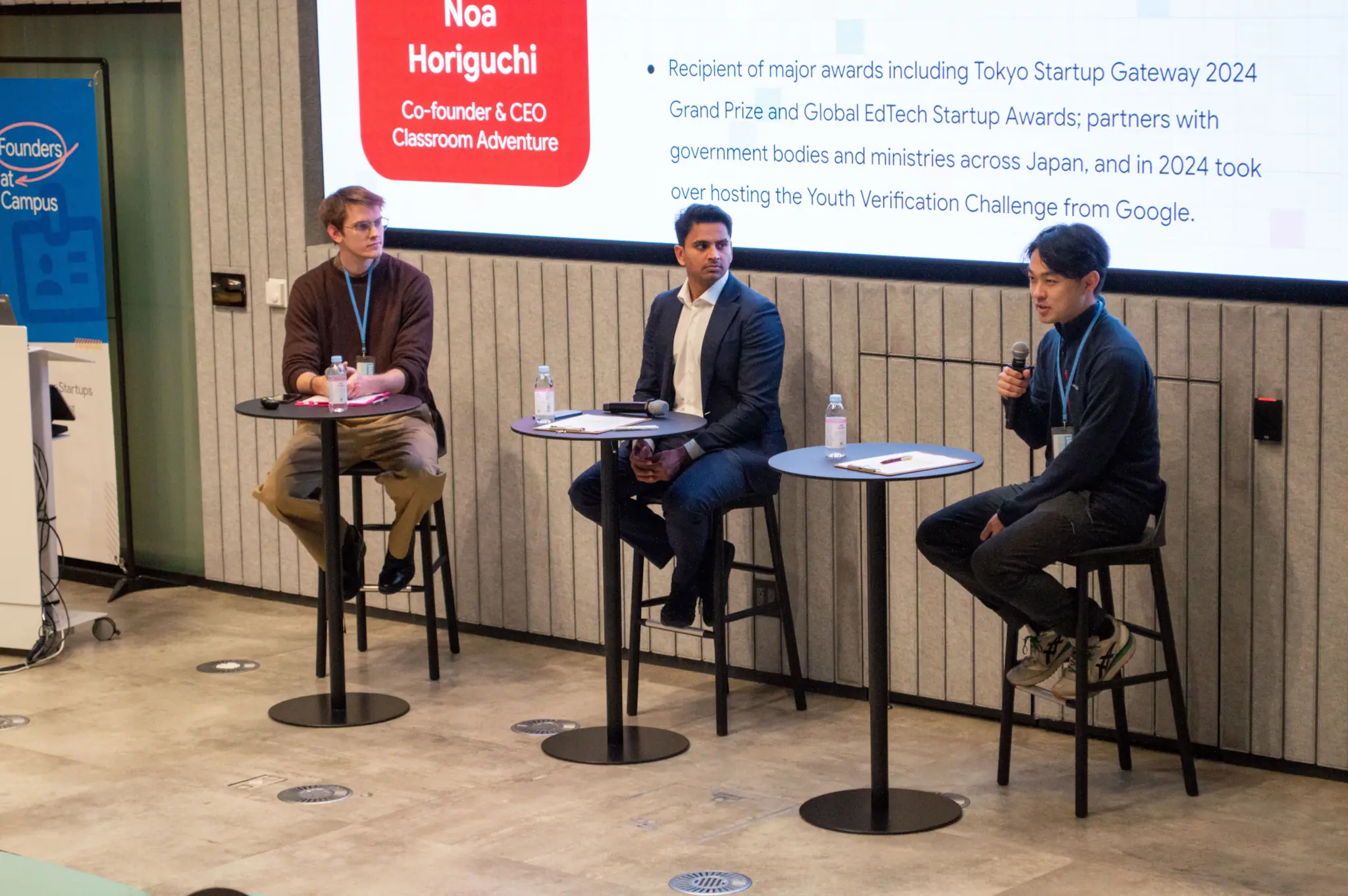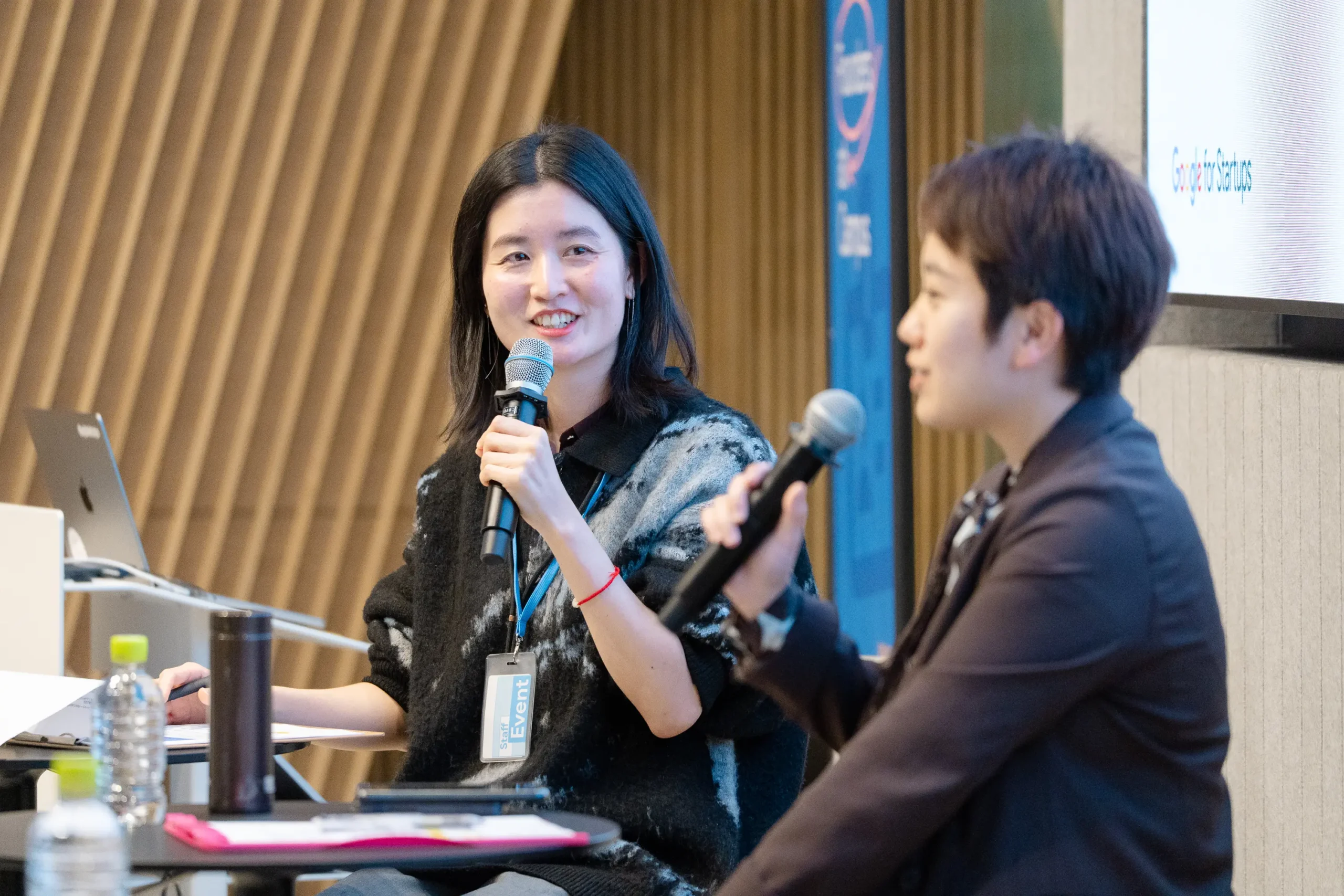
If AI can spot a missing handrail on a construction site faster than a veteran inspector, should we still train humans to look? And if a student can generate a deepfake in minutes, is the answer to lock them out, or hand them the controls? These were the kinds of questions driving the third installment of Changemakers Unplugged, held in collaboration with Google for Startups. The series brings together founders and ecosystem partners for honest, grounded conversation about the challenges that sit behind the headlines. This time, the panel turned its attention to AI safety. It featured Noa Horiguchi, Co-founder and CEO of Classroom Adventure, an EdTech startup that teaches media and AI misinformation literacy through gamification, and Uttam Dwivedi, Founder and CEO of Avete AI, which builds AI-powered safety and productivity tools for the construction industry. The discussion was moderated by Chris Clayton, Community Builder at Impact HUB Tokyo. Here are some takeaways from the event!
“Safe” looks different depending on who’s asking
One of the sharpest tensions in the conversation was around control of AI systems, both from users and managers. Uttam described how Avete intentionally restricts end-users from adjusting AI safety parameters on construction sites, because the physical stakes are simply too high. If a worker overrides a hazard alert, the consequences could be fatal. In his world, limiting user agency is the safety design. Noa’s approach is the inverse. Classroom Adventure puts students behind the wheel of deepfake generators and misinformation simulations precisely because sheltering them from the tools doesn’t prepare them to navigate a world already saturated with them. For Noa, giving users control is the point. The takeaway: there’s no universal answer to “how much control should users have.” It depends entirely on what’s at stake and who’s being served.
The “muscle memory” problem
Uttam raised a crucial concern: if AI catches every hazard, junior workers in the construction industry may never develop the instinct to spot one themselves. He called it the erosion of “muscle memory”; the slow loss of human discernment that happens when a system does all the thinking for you. So, he emphasized, we need AI systems with a clear focus on coaching and sharpening judgement, rather than letting it atrophy. Noa recognized the same pattern in education. When students have access to AI tools that do the critical thinking on their behalf, they stop practicing it. His response has been to design experiences where the AI is the subject of scrutiny. The question this left hanging: how can AI strengthen the role of human in the loop instead of making them redundant?
Accountability doesn’t have a clean answer
The panel didn’t shy away from the accountability gap. Noa drew on his experience at a fact-checking organization, where he saw firsthand that manually catching AI-generated misinformation is unsustainable. The volume is too high. The speed is too fast. And yet the alternative – handing verification over to AI – creates its own trust problem. Uttam offered a complementary data point: human safety inspectors miss between 40% and 70% of on-site hazards compared to AI. The system is better than the human at detection. But when AI hallucinates or misses something novel, who carries the responsibility? No one had a neat answer, and that was the point. Accountability in AI-augmented environments doesn’t sit cleanly with any one actor. It is, in a way, distributed between the developer, the user, the institution, and the machine.
Institutional hesitancy is a shared obstacle
Both panelists described friction with institutions in Japan and beyond. Noa navigates government mandates that restrict which AI models he can deploy in public education settings. Uttam faces corporate anxiety over data security, which pushes his team toward localized, vision-based models that don’t require data to leave a client’s servers. Neither framed this as purely negative. Institutional caution forces thoughtful design constraints. But both agreed that Japan’s pace of adoption creates a tension: the technology is ready, the use cases are proven, and the gatekeepers are still catching up.
What “solving discernment” actually looks like
The conversation closed on a forward-looking note. If we get this right over the next five years, what does the everyday relationship between a human and an AI counterpart actually look like? For Uttam, it looks like a junior site manager whose AI flags anomalies — but who still walks the site, still develops the instinct to notice what the camera doesn’t see. The AI is a second pair of critical eyes. For Noa, it looks like a generation of students who’ve grown up understanding the capabilities of frontier models in controlled environments, and who carry that experience as a kind of cognitive immune system, able to spot manipulation because they’ve practiced creating it. Both visions share a common thread: AI that strengthens human judgment rather than substituting for it. Changemakers Unplugged is an event series by Impact HUB Tokyo exploring how founders and ecosystem partners are tackling some of society’s most pressing challenges, through honest conversation, real stories, and a commitment to building what matters.